Cubic zirconia jewelry offers the sparkle of diamonds without the high price tag, making it one of the most popular choices in fashion jewelry. Yet, many people still ask—is cubic zirconia good? That’s a valid question, though, because nobody wants a fake product.
In this article, we’ll explore whether cubic zirconia jewelry is good or worth anything, and whether it’s a smart option for everyday wear and jewelry brands.
What is Cubic Zirconia (CZ) Jewelry?
Before anything else, what is cubic zirconia jewelry, and what is a cubic zirconia made of?
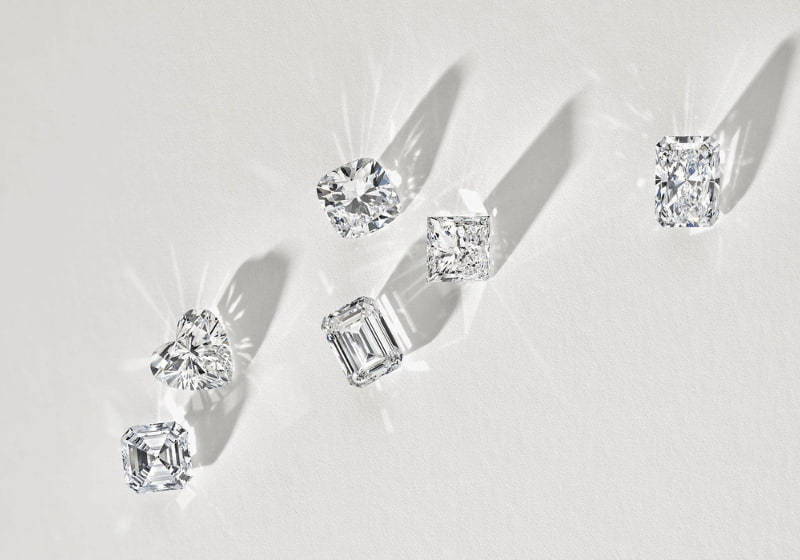
Cubic zirconia (commonly known as CZ) is a brilliant, lab-created gemstone used to mimic diamonds. It is made by melting zirconium dioxide powder with stabilizers like magnesium or calcium at intense heat. Once cooled, it forms a flawless, crystal-clear stone that captures and reflects light beautifully like real diamonds.
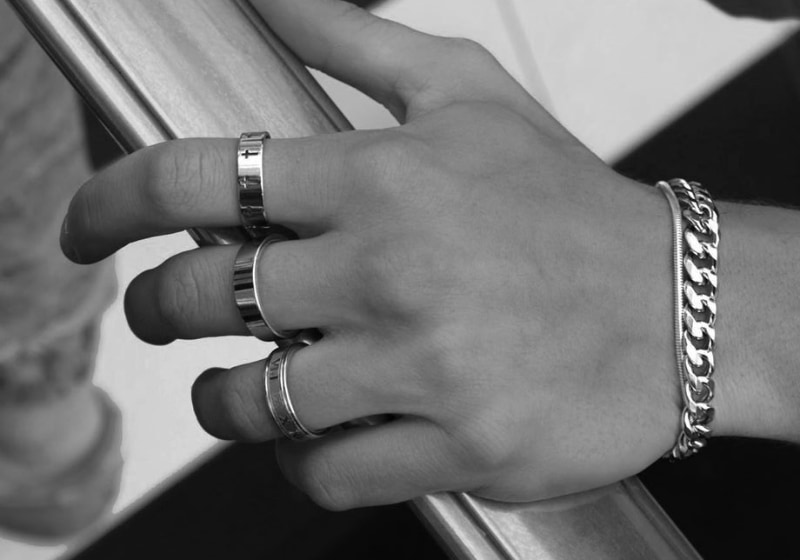
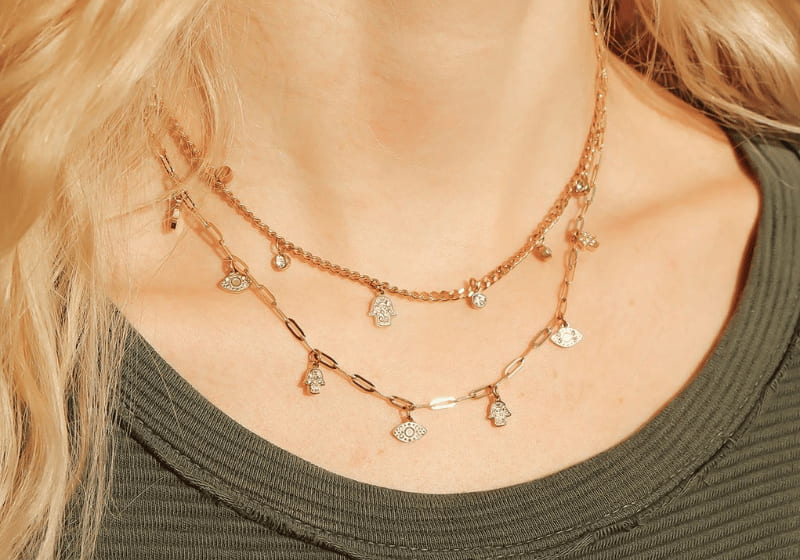
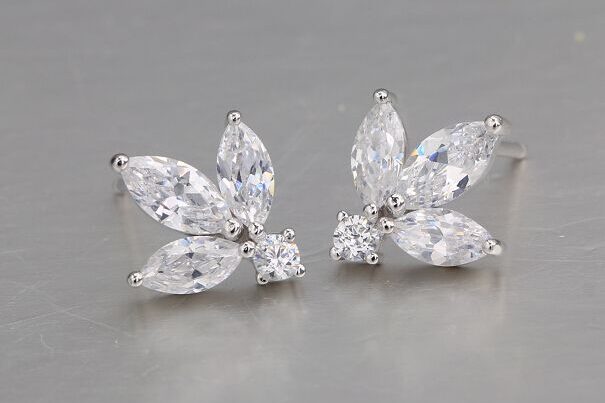
CZ offers the luxury appeal of diamonds at a fraction of the price. It is a staple in the fashion world, heavily featured in everyday jewelry like engagement rings, stud earrings, tennis bracelets, and necklaces.
Cubic Zirconia vs. Moissanite vs. Lab-grown Diamond
Three common options you’d usually come across when choosing a diamond alternative are: cubic zirconia, moissanite, and lab-grown diamonds. Though they look similar at first glance, they differ significantly in material, durability, price, and overall value. Here’s a quick comparison:
| Feature | Cubic Zirconia (CZ) | Moissanite | Lab-Grown Diamond |
| Visual | 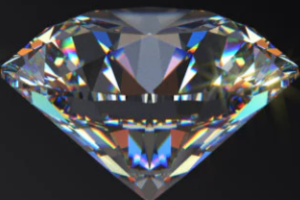 | 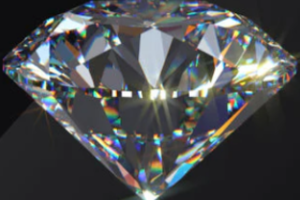 | 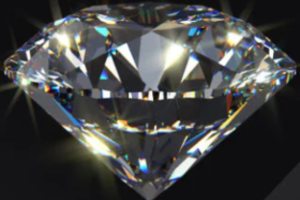 |
| Material | Zirconium dioxide (lab-made) | Silicon carbide (lab-made) | Carbon (lab-created) |
| Hardness (Mohs) | 8 – 8.5 | 9.25 | 10 |
| Sparkle | Bright, slightly softer | Very high, more rainbowfire | Natural diamond sparkle |
| Durability | Moderate | High | Very high |
| Price | Very affordable | Mid-range | Expensive (less than natural diamond) |
| Clarity | Usually flawless | Very high | Varies (like natural diamonds) |
| Clouding Over Time | May become cloudy | Rarely | No |
| Best For | Fashion jewelry, budget-friendly designs | Premium alternative to diamond | Fine jewelry, long-term wear |
Ultimately, your priority dictates the best option for you.
- Cubic zirconia is the most affordable and comes in various styles, making it ideal for fashion jewelry.
- Moissanite offers greater hardness and exceptional brilliance, making it more durable for long-term wear.
- Lab-grown diamonds share the same physical, chemical, and optical properties as natural diamonds, making them the closest match for buyers seeking authentic diamond characteristics.
Is Cubic Zirconia Good?
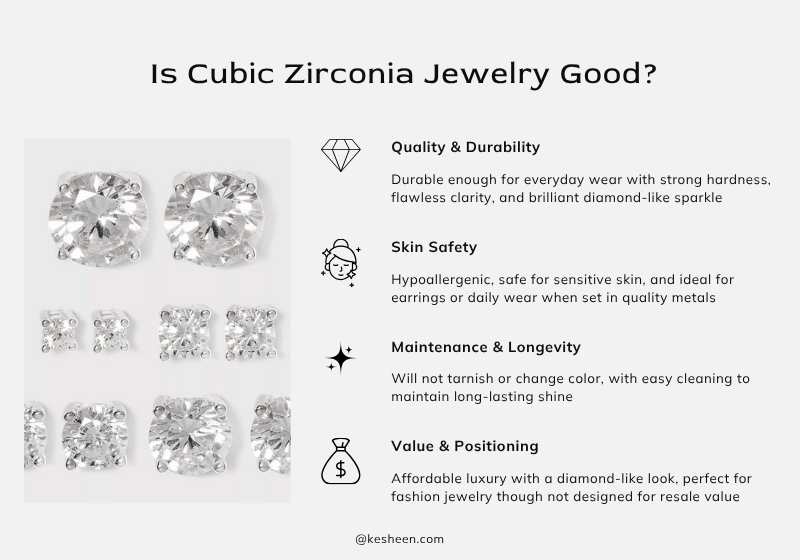
YES, cubic zirconia is a good choice for many types of jewelry. It delivers a stunning, diamond-like appearance at a remarkably low cost, making high-end styles accessible to everyone. CZ also provides incredible versatility for jewelry designs. Jewelers can easily cut and set it into various shapes they want, from casual everyday studs to intricate statement pieces.
This jewelry is created in the lab and under very strict quality control, ensuring that it is ethical and eco-friendly. While cubic zirconia hardness is lower than that of real diamond or moissanite, it still provides solid durability for regular wear.
Is Cubic Zirconia Hypoallergenic?
YES, it is entirely hypoallergenic. As a pure, synthetic crystal, the gemstone itself is non-reactive and completely safe for sensitive skin.
In rare cases where allergic reactions may happen, they are often triggered by the surrounding metal setting, not the CZ gemstone. If the jewelry is made with stainless steel, titanium, and solid gold, it is generally safe for sensitive skin.
Is Cubic Zirconia Good for Sensitive Ears?
YES, cubic zirconia is an excellent choice for sensitive ears, provided it is paired with safe metals. The stone itself is non-reactive, so irritation usually depends on the earring setting.
Thus, it’s important to always choose cubic zirconia earrings that are set in biocompatible metals like titanium or surgical-grade stainless steel jewelry.
Is Cubic Zirconia Nickel-Free?
YES. The CZ gemstone itself contains absolutely no nickel. However, the complete jewelry piece may or may not contain nickel depending on the metal composition. Any probable allergic reaction mainly comes from the metal setting.
So, when sourcing cubic zirconia jewelry, it is important to work with a reliable custom jewelry manufacturer that follows proper material standards and testing procedures.
Does Cubic Zirconia Tarnish or Change Color?
NO, cubic zirconia stones themselves do not tarnish or change color. They are made from durable materials that naturally resist oxidation, corrosion, and fading over time.
However, the jewelry piece as a whole can still discolor after years of wear due to surface scratches or residue buildup. This happens when the metal settings, whether it’s sterling silver, gold plating, or brass, react with moisture, air, and daily chemicals like lotion or perfume.
If you want to learn more about maintenance and longevity, read this detailed guide on does cubic zirconia tarnish and how to care for it.
Is Cubic Zirconia Worth Anything?
In terms of intrinsic or resale value, cubic zirconia is worth very little. Its market price is extremely low, meaning it won’t hold financial value as an investment. Instead, its value comes from the design and craftsmanship of the final jewelry piece.
Despite having low monetary value, CZ remains an excellent choice for jewelry. It delivers beautiful, diamond-like brilliance and reliable durability at an affordable price, proving you don’t need to spend a fortune to enjoy stunning, luxury-style fashion.
How Much is Cubic Zirconia Worth?
Smaller CZ stones cost only a few cents, and even the larger ones are very affordable, reaching just a few dollars per karat. The retail price of a cubic zirconia jewelry depends almost entirely on the metal setting and craftsmanship. Typically, a 1-karat cubic zirconia stone set into a basic stainless-steel ring costs between $10 and $50, or sometimes even less.
Is Cubic Zirconia Jewelry a Good Choice for Your Brand?
YES, especially for fashion brands looking to balance luxury with affordability.
It delivers the high-end look of diamond at a very affordable price, perfectly satisfying consumers who crave luxury aesthetics without the premium price tag. Its low cost also unlocks immense design flexibility for your brand. You can confidently experiment with diverse cuts, karat sizes, and vibrant colors to match shifting seasonal trends without significantly increasing production costs.
Furthermore, CZ works well with a wide variety of metals. Including sterling silver, gold plated metals, and stainless steel. When paired with durable options like PVD-coated stainless steel, you get long-lasting, tarnish-resistant pieces that can withstand everyday wear.
Overall, cubic zirconia is a highly scalable and lucrative asset for your business. It enables you to deliver attractive, accessible designs to the mass market, while maintaining high profit margins and an effortless production process.
Conclusion
Final take, is cubic zirconia good? YES. Its striking diamond-like appearance and impressive durability make it a standout choice for fashion jewelry. Whether you are a consumer looking for affordable luxury or a brand building a scalable collection, CZ proves that incredible styles do not always require a premium price tag.
FAQs
NO, cubic zirconia is not a real diamond. It’s a synthetic, lab-created gemstone made from zirconium dioxide. Though it looks like a natural diamond, it has entirely different chemical and physical properties.
NO, it does not shine exactly like a diamond. CZ reflects light with more colorful, rainbow-like flashes, whereas a diamond reflects bright white light.
CZ is cheap because it is mass-produced in laboratories, meaning there is an unlimited supply. It also requires no expensive mining or reliance on rare minerals.
YES, occasional water exposure is usually fine. However, repeated exposure to chemicals or moisture may affect the jewelry’s metal plating.
It is safe to shower with it, but that’s not recommended long-term. While water won’t destroy the stone, repeated exposure to soaps, shampoos, and heavy lotions creates a cloudy buildup that dulls its sparkle.