Pearls come in many colors, from classic white and gold to pink, lavender, and blue. Are black pearls rare and expensive? The answer depends on the type of black pearl. Natural-color black pearls are relatively rare, while dyed black pearls are much more widely available.
In this blog, we’ll explore the rarest pearl color, why black pearls are so rare, black pearl value, and how small and fashion jewelry brands can incorporate them into beautiful collections.
The Connection between Pearls and Stainless Steel in Fashion Jewelry
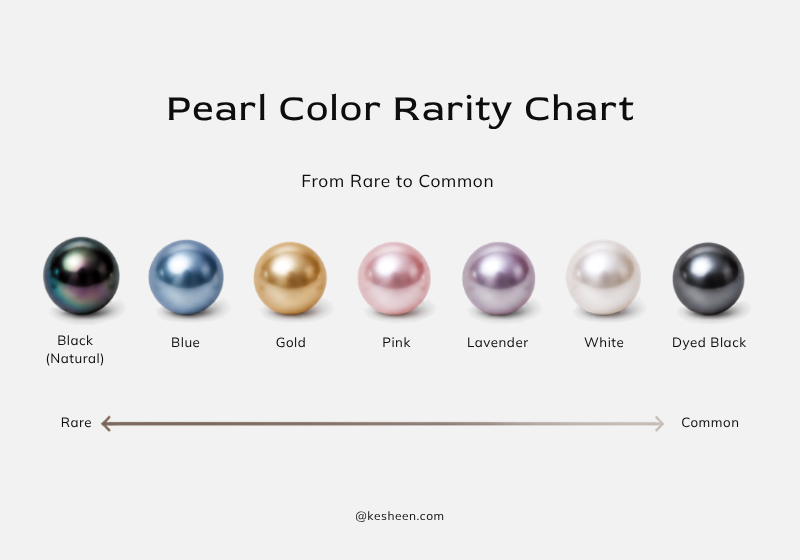
There’s a smooth connection between pearls and stainless steel. They represent the combination of the ocean’s most elusive treasure with durable jewelry.
- Pearls as a Staple of Ocean-Inspired Fashion Jewelry
Pearls are a constant favorite in the jewelry world, especially in fashion jewelry collections inspired by the sea. From delicate freshwater pearls to perfectly round shell pearls, designers continually find new ways to incorporate these gems into beach-inspired or resort-ready collections. Whether set in minimalist designs or paired with coral, shells, and turquoise, pearls effortlessly blend sophistication with a laid-back, seaside spirit.
- Stainless Steel is the Ideal Match for Ocean-Inspired Pearls & Swimwear Accessories
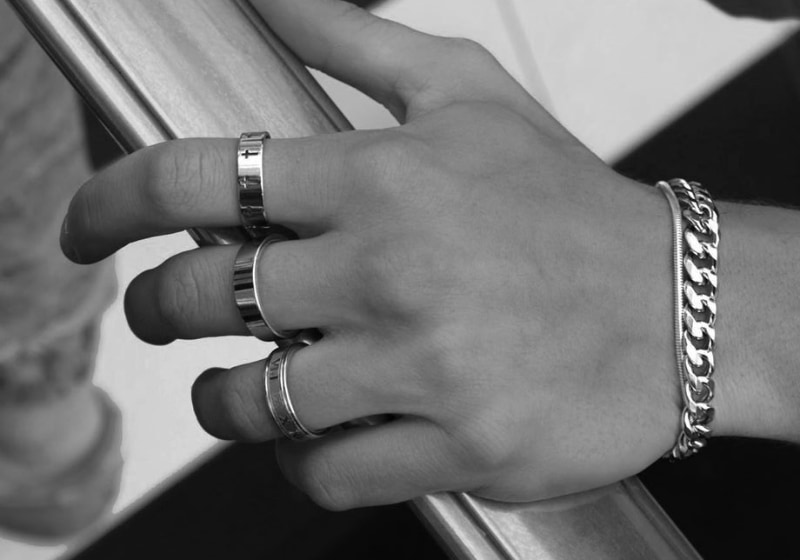
Stainless steel jewelry is the perfect match to pearls, especially for marine-based fashion jewelry and swimwear accessories. The durability, waterproof and affordability of stainless steel complements the delicate nature of pearls, thereby creating jewelry pieces that can withstand water and tarnishing without affecting their beauty.
What Color of Pearl is the Rarest? Pearl Color Rarity Chart
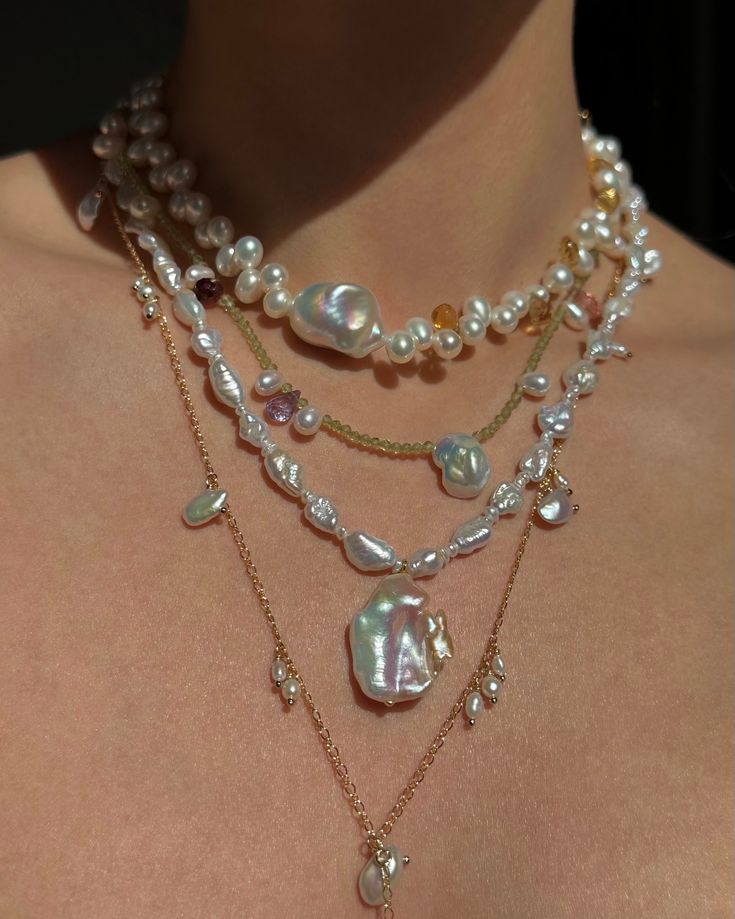
There is no single universally accepted ranking of pearl colors by rarity. Natural-color black pearls are generally considered among the rarer pearl colors, particularly high-quality Tahitian pearls.
Here’s a quick comparison of pearl colors ranked from rarest to most common, based on natural occurrence and market availability rather than a strict scientific ranking:
| Pearl Color | Rarity Level | Common Source |
| Black (Natural) | Very Rare | Tahitian |
| Blue | Very Rare | Akoya, South Sea |
| Gold | Rare | South Sea |
| Pink | Moderately Rare | Freshwater, Akoya |
| Lavender | Moderately Rare | Freshwater |
| White | Common | Akoya, Freshwater, South Sea |
| Dyed Black | Common (Treated) | Freshwater (color-enhanced) |
What are Black Pearls?
Black pearls are pearls with a naturally dark or treated body color. Natural-color black pearls are strongly associated with Tahitian pearls, which are cultivated primarily in the lagoons of French Polynesia using the black-lipped Pinctada margaritifera oyster.
However, the term “black pearl” does not automatically mean that a pearl is a naturally dark Tahitian pearl. Black Akoya and freshwater pearls can also be treated to create a black appearance.
What do black pearls symbolize? Black pearls have different meanings in different cultures. For some, these pearls are believed to have protective powers and bring good luck to the wearer. For others, it symbolizes emotional and mental healing.
Are Black Pearls Rare?
Yes, natural-color black pearls are relatively rare, but not all black pearls are rare. High-quality Tahitian pearls are among the best-known naturally dark pearls, while many black Akoya and freshwater pearls are dyed or color-treated and are more widely available.
In short, the rarity of a black pearl depends on its natural color, pearl type, origin, and quality.
How Rare Are Black Pearls?
The rarity of a black pearl depends largely on how its color is produced, its origin, and its quality.
- Natural Tahitian Pearls: Extremely rare; harvested mainly in French Polynesia. Only a small percentage are gem-quality.
- Black Akoya Pearls: Cultured and dyed; moderately rare and produced in Japan, China, and Vietnam.
- Black Freshwater Pearls: CCommonly dyed, making them more widely available and generally more affordable.
Additionally, luster, surface quality, and shape affect black pearl value. Large, round, flawless black pearls are especially rare and highly priced in the market.
Are Black Pearls Real?
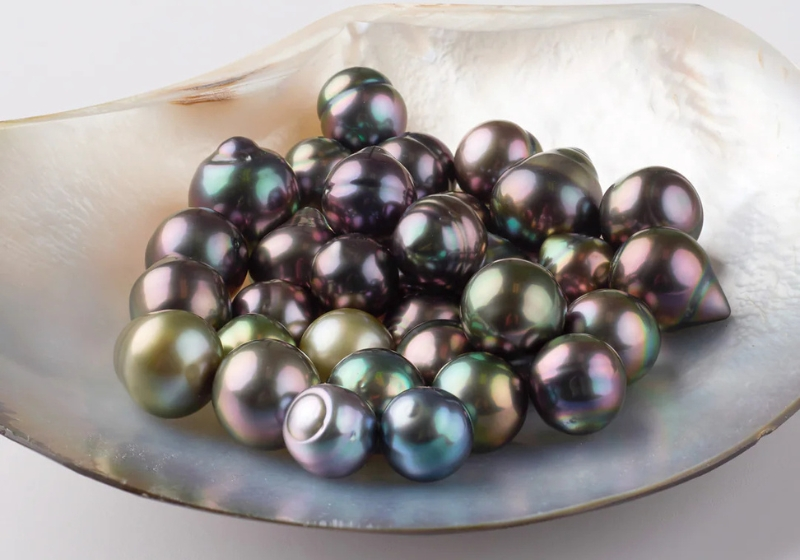
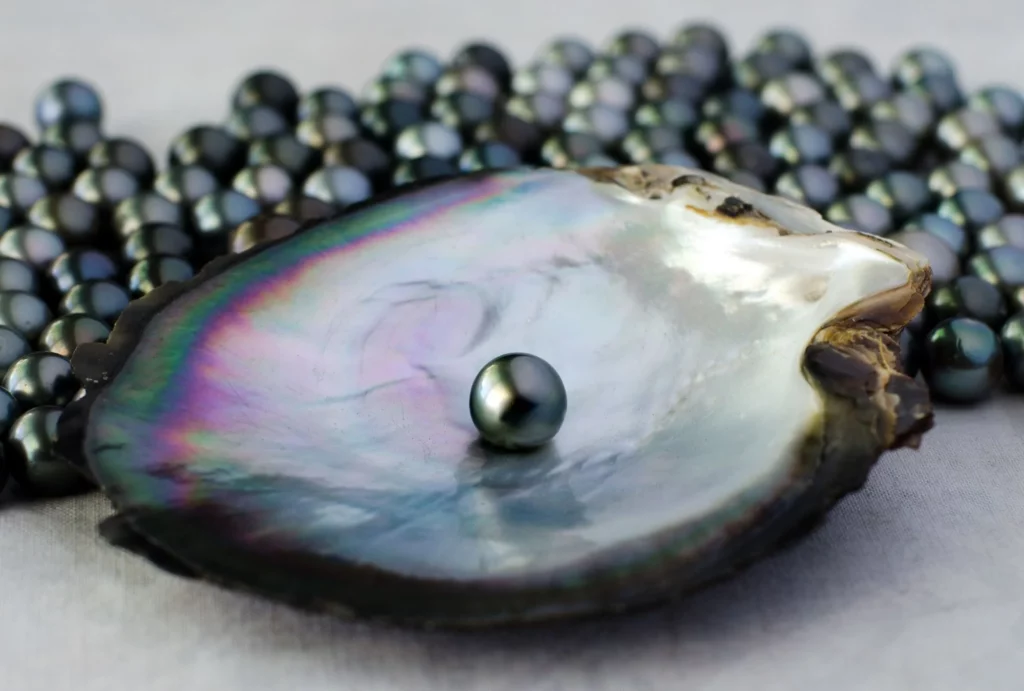
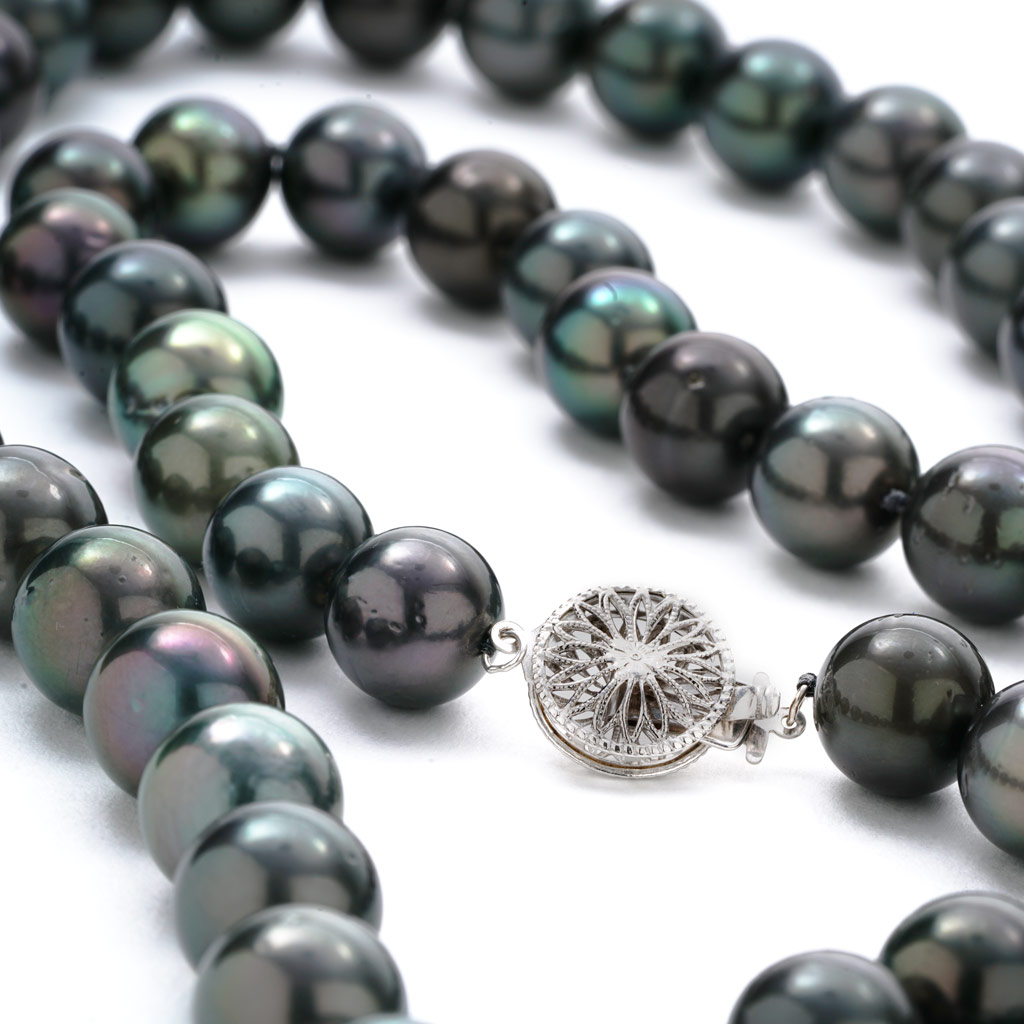
Yes, black pearls can be real pearls, which are known as “Tahitian pearls.” These pearls are natural and gotten from French Polynesia Islands. Their body color can range from dark gray to green, blue, purple, and peacock rather than being completely jet black.
Black Akoya and freshwater pearls can be genuine cultured pearls, but many are treated or dyed to achieve a dark color. A dyed pearl is not fake. It simply means its color has been changed or enhanced through treatment.
How are Black Pearls Formed?
Natural Tahitian black pearls are made when an irritant enters the shell of a black-lipped Pinctada margaritifera oyster. Cultured black Tahitian pearls, on the other hand, are formed when a pearl farmer manually inserts a bead nucleus into a black-lipped Pinctada margaritifera oyster.
Why are some pearls black when they are not gotten from a black-lipped Pinctada margaritifera oyster? They are simply white Freshwater or white Akoya pearls that are dyed to resemble natural black pearls.
Where Do Black Pearls Come From? Types of Black Pearls
There are 3 major types of black pearls, which are: Tahitian, black Akoya, and black freshwater pearls. They have 2 main origin points – French Polynesia and East Asia (China, Japan, & Vietnam).
Tahitian Black Pearls: Naturally Dark Pearls
Tahitian pearls are among the best-known naturally dark-colored cultured pearls. In reality, they are not completely black; they have different shades of color, such as dark green, blue, purple, silver, gray, and peacock. Tahitian black pearls originate from French Polynesia Islands and are usually derived from Pinctada margaritifera, black-lipped saltwater oysters. Their sizes vary, ranging from 7 mm to 16mm or larger.
Black Akoya & Freshwater Pearls: Dyed Black Pearls
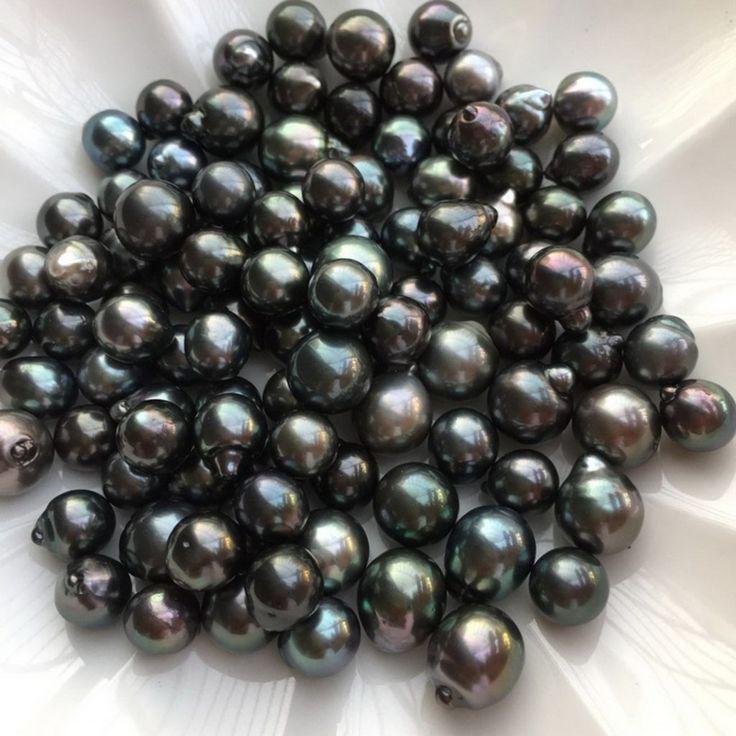
Black Akoya and black freshwater pearls can be genuine cultured pearls, but many are treated or dyed to achieve their dark appearance. They should therefore be distinguished from naturally dark Tahitian pearls when discussing black pearl rarity.
Black Akoya originates from Japan, China, and Vietnam and are often derived from Pinctada fucata martensii, saltwater oysters. They can be dyed to be completely black, blue-black, or green-black. Their sizes vary from 1 mm to 10 mm.
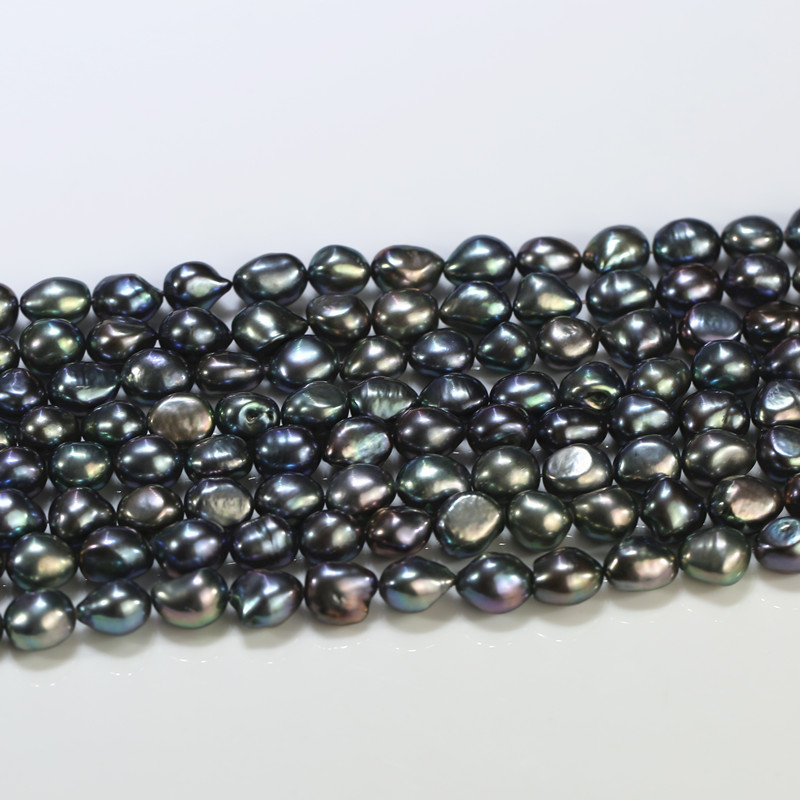
Black freshwater pearls originate from China and are derived from Hyriopsis cumingii, freshwater pearl mussel. They can be dyed to a dark-blue color or a near jet black. Their sizes vary from 2-15mm.
Are Black Pearls Valuable? Are They More Expensive Than White Pearls?
Yes, black pearls can be valuable, but they are not automatically more expensive than white pearls. Their price depends on factors such as type, color, size, luster, surface quality, and rarity.
High-quality Tahitian black pearls can be expensive because of their natural dark color, distinctive overtones, and limited availability. Dyed black Akoya and freshwater pearls are generally more affordable.
How Much are Black Pearls Worth?
Black pearl price varies. Natural black Tahitian pearls are more durable and rare, thus worth more than dyed black pearls.
Price Range of Black Pearls
- Natural Tahitian black pearls price typically range from $200 to over $30,000 per strand (depending on the origin, size, luster, and quality).
- Dyed black Akoya pearls are usually priced around $150 to $2,000 per strand.
- Dyed black freshwater pearls are valued at below $50 to $1,000 per strand in the fashionin the fashion jewelry industry.
Factors That Affect Pearl Value
- Origin: Natural Tahitian pearls are more valuable than dyed ones.
- Size: Larger pearls (over 10mm) command higher prices.
- Luster & Surface Quality: High shine and minimal blemishes increase value.
- Shape: Round pearls are the most valuable, while baroque shapes offer a unique aesthetic at a lower cost.
- Natural vs. Dyed: Natural black pearls are significantly more expensive.
Tips for Small & Fashion Jewelry Brands Considering Black Pearls
For small and fashion jewelry brands, black pearls present an opportunity to upscale your jewelry production methods. But this must be done professionally. Here are some essential tips you should incorporate when considering black pearls:
Incorporate Black Pearls for Product Differentiation
Include black pearls in your product collection to offer customers various options to choose from. This makes you stand out in an oversaturated market where many people focus on white or synthetic pearls. The mystery and sophistication of black pearls establish brand identity, elevating your entire jewelry collection from ordinary to extraordinary.
Opt for Black Freshwater Pearls
Opting for black Akoya and freshwater pearls is an intelligent compromise if you’re a beginner in the fashion jewelry industry. As a small fashion jewelry brand, don’t feel pressured to use only Tahitian black pearls. Integrate high-quality dyed pearls, which are more affordable and widely available. They allow you to offer the look of black pearls at accessible price points.
Pair Pearls with Durable Base Materials
Smart material selection is crucial when incorporating black pearls into fashion jewelry. Pair pearls with durable base materials like stainless steel or PVD coating jewelry that are waterproof, sweat-resistant, and affordable. This approach is particularly important when targeting summer and ocean-themed designs.
Leverage Size & Quantity for Budget Flexibility
Smaller pearls can reduce your costs. Consider designs that use fewer pearls. A single, beautiful black pearl on a delicate chain, or a pair used in simple earrings, can be more cost-effective and just as stylish as a full strand. This approach allows you to offer substantial-looking pieces at cost-friendly prices while maintaining the luxury appeal that black pearls provide.
Conclusion
Are black pearls rare? Yes, in fact, they are the rarest pearl color. However, nowadays, there are many cultured black pearls in the market, allowing both small-scale and large-scale fashion jewelry brands to incorporate black pearls in their collection.
Ready to elevate your jewelry collection with stunning black pearl designs? Partner with us as your trusted custom stainless steel jewelry manufacturer to create exceptional pieces that combine the timeless elegance of black pearls with the durability and modern appeal of stainless steel.