Titanium is rapidly taking over the modern jewelry market. Once reserved for aerospace engineering and medical applications, this biocompatible metal is now used to craft exceptional rings, watches, and other body jewelry. But is titanium jewelry good?
This article discusses the pros and cons of titanium jewelry, whether it’s worth buying, and how it compares with other jewelry metals.
What is Titanium Jewelry?
Titanium jewelry is jewelry pieces made from a lightweight, yet extremely strong metal called titanium.
Titanium is a high-performance metal known for its exceptional strength-to-weight ratio. Though popular in medical implants and aerospace engineering, it has now become a preferred choice for modern jewelry. This metal is highly resistant to corrosion, tarnish, & scratches, and even delivers the durability of stainless steel jewelry at a much lighter weight, making it incredibly comfortable for daily wear.
Pros of Titanium Jewelry
As a jewelry material, titanium offers numerous advantages. They include:
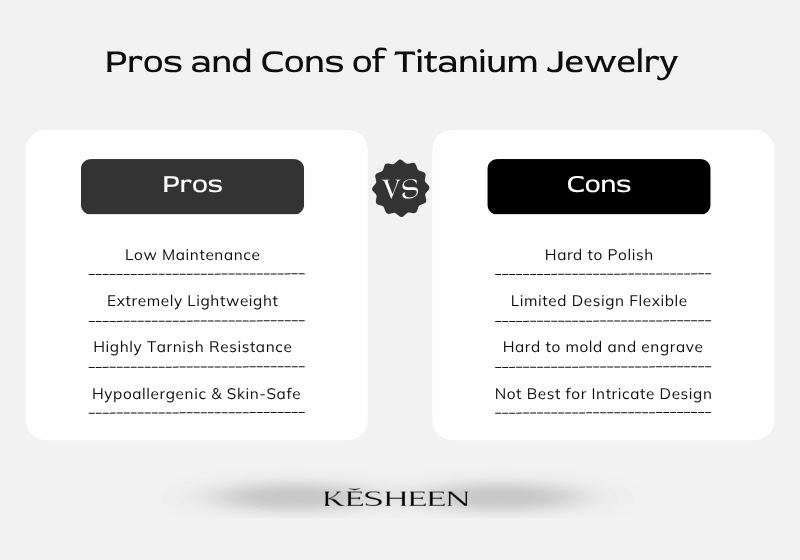
Hypoallergenic & Skin-Safe
As with gold, silver, and stainless steel, skin sensitivity is a key factor when choosing jewelry. So, is titanium jewelry hypoallergenic and safe for sensitive skin? YES, it is.
Being completely biocompatible and containing zero amount of nickel makes this metal perfectly safe for people with sensitive skin. It never causes allergic reactions, rashes, or green skin discoloration, even when worn daily.
Extremely Lightweight
Despite its incredible strength, titanium feels practically weightless on the body. It is roughly 45% lighter than stainless steel and far less dense than gold. This featherweight quality ensures maximum comfort, making it ideal for busy, everyday rings, bracelets, and earrings.
Durability & Tarnish Resistance
Titanium has the highest strength-to-weight ratio of any known metal. It easily resists dents, bends, and deep scratches even under intense pressure. Beyond that, does titanium jewelry tarnish? NO. It doesn’t tarnish, rust, or corrode, even when regularly exposed to saltwater and sweat.
Low Maintenance
Titanium jewelry requires no expensive replating or specialized chemical polishes. It maintains its striking metallic luster completely on its own. To clean, you simply do a quick rinse with mild dish soap and warm water.
Cons of Titanium Jewelry
Despite its many advantages, titanium jewelry has a few limitations, which are:
Limited Design Flexibility
Titanium possesses extreme natural hardness and a lack of malleability. These traits make it incredibly difficult for artisans to weld, solder, or cast. Consequently, jewelers cannot easily craft intricate prong settings, delicate filigree, or complex custom details on it.
Sizing Difficulties
Due to its exceptional strength, titanium is extremely difficult to resize after production. This makes adjustments challenging. So, getting the correct size from the start is very important when choosing titanium jewelry.
Is Titanium Jewelry Good?
YES, titanium jewelry is a good choice, particularly for daily wear and sensitive skin. It offers an unmatched combination of strength and lightweight comfort, easily resisting dents, scratches, and tarnish. Its biocompatibility and nickel-free characteristics are other reasons why it is gradually becoming very popular for making wedding rings, everyday watches, and body piercings.
Is Titanium Good for Wedding Rings?
YES, titanium is an excellent choice for wedding rings. Its extreme durability ensures the band will never break or crack out of shape from daily wear. If you’re also wondering, will titanium turn your finger green? NO, it won’t. It is hypoallergenic, suitable for sensitive skin, and resistant to tarnish or discoloration.
Is Gold Titanium Good for Piercings?
YES, gold titanium is a good choice for piercings. It is usually made by adding a gold-coated finish. Though it offers the aesthetic appearance of yellow-gold, it still retains the high biocompatibility of titanium. This makes it safe for body piercings, with a very low risk of irritation or allergic reactions.
Titanium vs. Other Popular Jewelry Materials
When choosing jewelry pieces for your collection, comparing modern alternative metals like titanium to traditional options helps you identify the best fit for you. Here’s how titanium stacks up against three dominant industry metals:
| Feature | Titanium | Stainless Steel | Sterling Silver | Gold |
| Durability | Excellent | Excellent | Moderate | Moderate |
| Tarnish Resistance | Excellent | Excellent | Moderate | Good |
| Maintenance | Very low | Very low | High | Moderate |
| Skin Safety | Best for sensitive skin | Hypoallergenic | Hypoallergenic for most | Hypoallergenic for most |
| Cost | $$ | $ | $$ | $$$ |
| Best For | Active lifestyles | Everyday wear | Classic jewelry | Fine jewelry |
Titanium vs. Stainless Steel Jewelry
Both titanium and stainless steel offer excellent corrosion resistance and durability.
Titanium is much lighter, making it more comfortable for long-term wear. It is also highly biocompatible, making it the most ideal for sensitive skin. However, titanium is harder to cast, engrave, and polish, which increases manufacturing costs.
Stainless steel, on the other hand, is heavier but more affordable. Does stainless steel jewelry tarnish? NO. Just like titanium, it is highly resistant to rust, corrosion, dents, and scratches, making it one of the best low-maintenance jewelry materials.
Titanium vs. Sterling Silver Jewelry
Titanium significantly outperforms sterling silver in durability and maintenance. Its higher hardness prevents bending and wear, while sterling silver is softer and more prone to scratches and deformation over time.
For appearance, sterling silver offers a brighter, luxury-inspired shine, whereas titanium has a darker, modern appearance. Also, daily wear testing shows that titanium jewelry is entirely waterproof and chemically inert, requiring zero special care. Sterling silver, on the other hand, reacts readily with moisture, air, and sulfur, mandating dry storage and regular polishing.
Titanium vs. Gold Jewelry
Gold is valued for its luxury appeal, investment value, and ability to create intricate custom designs. Titanium focuses more on lightweight comfort, strength, and affordability.
While gold dominates fine, investment-grade jewelry, titanium shines in modern, industrial designs. It is the premier choice for active lifestyles and safe body piercings. However, unlike titanium, gold is highly malleable and allows artisans to create intricate custom designs, filigree, and detailed settings.
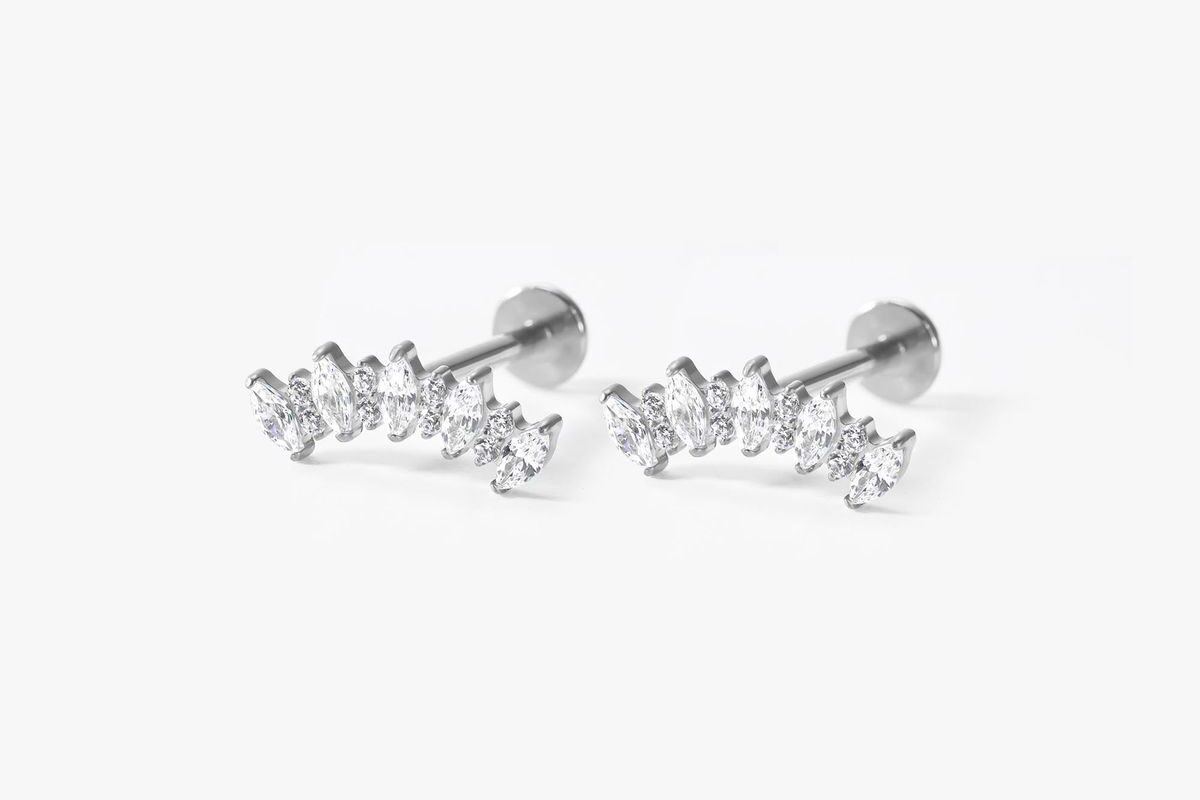
What Types of Jewelry Brands Are Best Recommended to Use Titanium?
Choosing the right material defines a brand’s identity, and titanium is the perfect core metal for specific niche markets like:
Piercing Jewelry Brands
Titanium is one of the best metals for body piercings because it’s biocompatible and poses no risk of allergic reactions. It also ensures rapid healing, doesn’t react with body fluids, and remains comfortable in fresh or sensitive piercings without ever corroding.
Hypoallergenic Jewelry Brands
Brands catering to ultra-sensitive skins need a guaranteed nickel-free material, and titanium is the ultimate solution. It has zero nickel content, doesn’t react with sweat & moisture, and never causes dermatitis, rashes, or green skin stains.
Active Lifestyle & Sports Jewelry Brands
Active lifestyle & athletic brands require metal that survives sweat, saltwater, and heavy impacts. Again, titanium is the go-to choice. Its massive strength-to-weight ratio offers weightless comfort during workouts. It also won’t scratch, bend, or break during sports. Check out our tarnish free jewelry guide for other metals with this ability.
Men’s Everyday Jewelry Brands
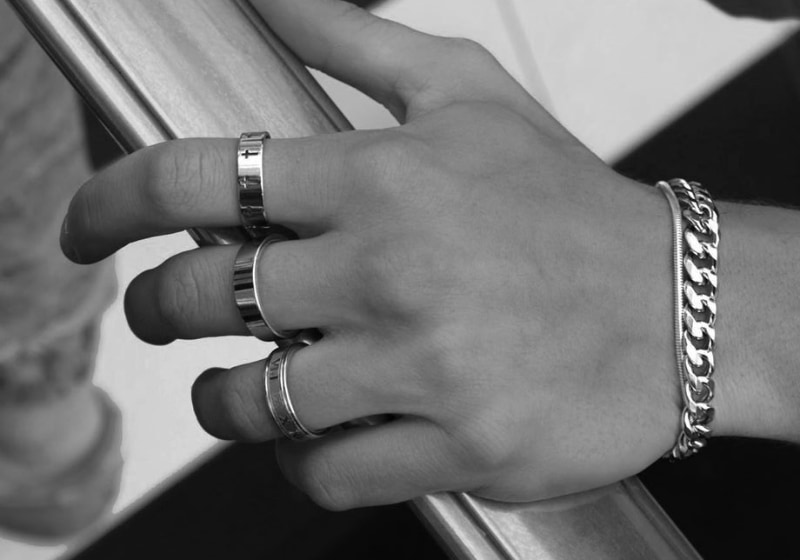
Most men prefer minimalist and rugged jewelry that require little-to-no upkeep. Titanium delivers that. Its low maintenance nature ensures men’s rings and watches remain pristine for a very long time without excessive upkeep.
Conclusion
Ultimately, is titanium jewelry good for your collection? Absolutely YES, especially if you prioritize safety, comfort, and lifelong durability. It effortlessly outperforms most traditional metals in daily wear and piercings.
If you are looking to create high quality titanium jewelry collections, partnering with an experienced custom jewelry manufacturer can help ensure exceptional craftsmanship and excellent design precision.
FAQs
NO, titanium jewelry does not tarnish. When exposed to oxygen, it instantly forms a microscopic titanium dioxide layer that prevents oxidation, rust, and corrosion.
YES. Titanium is widely known for being hypoallergenic and safe for most people with sensitive skin. It is typically nickel-free and has a very low risk of causing irritation or allergic reactions.
Titanium jewelry is extremely durable and can last a lifetime with proper care. It resists bending, cracking, and deep scratching, without losing its structural integrity or eroding over time.
YES, you can safely shower with titanium jewelry. It is entirely waterproof and immune to the effects of fresh-water, soaps, and shampoos.
NO, titanium rings will not turn your finger green. That’s because it doesn’t contain metals like copper or nickel that cause green discoloration.
NO, titanium jewelry does not change color or fade. It does not contain iron, making it completely immune to rusting and tarnishing. It also forms a permanent, invisible oxide layer that blocks moisture and air from changing its color.
Titanium jewelry is generally affordable and budget-friendly, typically costing less than precious metals like gold or platinum. However, due to its complex manufacturing process, it is higher in price than stainless steel.
Cleaning titanium jewelry is simple. Use mild soap, warm water, and a soft cloth to remove dirt and oils gently. Also, avoid abrasive materials or harsh chemicals, as they may damage the surface finish and reduce the jewelry’s natural shine.